
Direct Access Explained: The Fast Route To A Full Bike Licence
Published 26 August 2026
Direct access is the reason someone can start riding at thirty without spending the next six years working up through a 125. It is also one of the most misunderstood things in UK motorcycling, because almost everybody talks about it as though it were a licence. It is not one.
So this is what direct access actually is, which route your age and your licence history allow, what the two test modules involve, and the deadlines that quietly expire behind you while you wait for a test date. Every rule here was read off DVSA and DVLA's own pages rather than a forum, and where two government pages disagree with each other I have said so rather than picked one.
Direct access: the short answer
Direct access lets you train and take your test on a motorcycle far bigger than your provisional licence would otherwise let you ride, and come out the other side with a full unrestricted licence. What decides whether you can use it is your age, and after that your licence history.
- At 24 or over: direct access to a full category A licence. You need a CBT, the theory test and both practical modules.
- At 21 to 23: only if you have held a full A2 licence for at least two years. That route is called progressive access, and it needs the practical test alone.
- At 19 or over: direct access to A2, which caps you at 35kW rather than unrestricted.
- Under 19: nothing above A1. There is no way to buy past the ages.
- What you hold at the end is category A, the same licence as a rider who worked up through A1 and A2.
DAS is a scheme, not a licence
This is worth clearing up first, because it makes everything else make sense. There is no such thing as a DAS licence. Direct access is a scheme that lets an instructor supervise you on a machine you are not yet entitled to ride, so you can be trained and tested on it. What lands on your licence at the end is category A.
DVSA's own guidance to training schools describes it in exactly those terms. An instructor has to hold a separate certificate of authority, the CBT1D, before they may deliver direct access training at all, and while a direct access trainee is out on the road the ratio is capped at two learners to one instructor. That guidance also says in plain words that it is not acceptable practice for an instructor to carry a third trainee as a pillion to stay inside the ratio, which tells you what somebody once tried.
So when a school advertises a DAS course, what they are selling is instruction and the use of a big bike. The licence still comes from passing the same two modules as everybody else.
Which route you are actually allowed
There are two ways up. Direct access jumps you straight to the category you want. Progressive access has you serve time on a smaller licence and then take a further practical test. Your age decides which are open to you, and there is no discretion in it.
Note that there are two progressive rungs, not one. Two years on a full A1 gets you to A2 by practical test, and two years on a full A2 gets you to A. Riders tend to know about the second and not the first.
| Licence | Minimum age | What you can ride | What the route needs |
|---|---|---|---|
| AM | 16 | Mopeds with a speed range of 25 to 45 km/h | CBT, theory test, practical test |
| A1 | 17 | Up to 125cc and 11kW, power to weight no more than 0.1 kW per kg | CBT, theory test, practical test |
| A2 direct | 19 | Up to 35kW, power to weight no more than 0.2 kW per kg | Theory and practical |
| A2 progressive | 19 | As above | Two years' experience on an A1 bike, then a further practical test |
| A direct | 24 | Unrestricted | CBT, theory and practical |
| A progressive | 21 | Unrestricted | A full A2 held for at least two years, then a practical test |
The clocks nobody warns you about
Four separate deadlines run in the background of a bike licence, and three of them can expire while you are waiting for a test date. This is the part that costs people money.
The first is not an expiry but a qualifying period. Progressive access at 21 needs an A2 licence held for two years, and that clock starts on the day you passed rather than the day you turned 19. Pass your A2 at 19 and you reach category A at 21. Pass it at 20 and you are waiting until 22, by which point sitting tight for your twenty fourth birthday and going direct may be the simpler plan.
The rest are expiries. A CBT certificate lasts two years, and gov.uk puts it bluntly: once you have done your CBT you have two years to pass your theory and motorcycle tests, or you do the CBT again. A theory test certificate also lasts two years, and you must pass both parts of the practical inside that window or start the whole process over. Ride on a provisional without a valid CBT and you face a fine of up to £1,000 and up to six penalty points.
The fourth is the one almost nobody mentions, and it applies to progressive access only. If you are upgrading that way, you must pass module 2 within six months of passing module 1. Miss it and you sit module 1 again.
- Qualifying period: two years holding the A2, counted from your pass date, not your birthday.
- CBT certificate: two years.
- Theory test certificate: two years, and both practical modules have to fall inside it.
- Progressive access only: six months from module 1 to module 2.
What your route actually needs before you can book
Here is the finding that saves the most money, and it contradicts a line on gov.uk. The overview page says all riders have to pass the theory test before the practical test. That is true of the ordinary route and false for progressive access.
DVLA's own flowchart routes a rider aged 21 to 23 who has held a full A2 for more than two years straight to the two part practical test, past both the CBT question and the theory question. The licence category table agrees, describing that route as a practical test alone. So if you are upgrading from a full A2 you have held for two years, you do not need a fresh CBT and you do not need to sit the theory again.
Everybody else does. At 24 or over with no A2, or with an A2 held for less than two years, or with an A1, the route is a valid CBT, then the theory test, then both practical modules.
- Upgrading from a full A2 held for two years or more: the practical test only.
- Everyone else: the right provisional entitlement, a valid CBT certificate, the motorcycle theory test, then modules 1 and 2.
- Your provisional has to carry the right entitlement before a school will start you, so check the photocard rather than assume.
Module 1: twenty minutes off road
Module 1 is taken in an off road manoeuvring area and normally takes about twenty minutes. It is short, it is unforgiving, and it is where most of the retest money goes.
The exercises are fixed. For the emergency stop and the hazard avoidance you have to be doing at least 31 mph on a motorcycle, or at least 19 mph on a moped. That is a minimum rather than a target, and going into it under the speed is the classic way to lose a run you otherwise rode well.
You pass with no serious or dangerous faults and no more than five riding faults. Fail, and you book again, pay again, and the earliest date you are allowed to choose is three working days away.
- Wheeling the machine and using the stand
- A slalom and a figure of eight
- A slow ride
- A U turn
- Cornering and a controlled stop
- Cornering and an emergency stop, at a minimum of 31 mph
- Cornering and hazard avoidance, at a minimum of 31 mph
Module 2: forty minutes on the road
Module 2 is the road test and normally runs about forty minutes. You have to pass module 1 first, and you have to bring the module 1 pass certificate with you along with everything you needed on the day of module 1.
It opens with the eyesight check: a number plate read at twenty metres, or twenty and a half for an old style plate. Fail that and the test is over before you have sat on the bike. Then two show me tell me safety questions, then riding in varied road and traffic conditions but never on a motorway, including normal stops, an angle start out from behind a parked vehicle, and a hill start where the route allows one. The examiner normally follows on a motorcycle and gives you directions by radio.
About ten minutes of it is independent riding, where you make your own decisions rather than follow instructions. You can ask the examiner to repeat the directions without penalty, and going off the route is not a fail. You cannot use a sat nav.
The pass mark is looser than module 1: no serious or dangerous faults, and no more than ten riding faults. Fail and the next date you may choose is at least ten working days away. Pass and you can take the L plates off straight away, without waiting for the licence to arrive.
What the bike has to be
Whoever owns it, the machine has to be solo, with a speedometer reading in miles per hour, L plates front and rear (L or D plates in Wales), insured, taxed, roadworthy, and with no engine warning lights showing. A school's bike will comply. Your own might not.
For a full category A test it must be at least 595cc and produce at least 50kW. On weight there are two published figures, and they are not in conflict, they are different measurements. The law and the candidate facing table give the machine's weight without a rider as at least 175kg. DVSA's guidance to schools and DVLA's route flowchart both quote a minimum kerb weight of 180kg. Unladen mass leaves the fluids out and kerb weight puts them in, so both are true at once. If you are supplying the bike yourself, satisfy both.
A2 has a trap of its own. You may restrict a bike into the 20 to 35kW band, but you cannot restrict it below half its original power, and its unrestricted power must not be more than 70kW. You have to bring proof of the restriction on headed paper from a main dealer, official importer or recognised specialist, showing the registration. A dyno test certificate is not accepted, and turning up without the paperwork gets the test cancelled.
One last thing, because it follows you for years: pass on a machine with automatic or semi automatic transmission and your licence covers only those. If you intend to ride a manual bike, take the test on a manual bike.
| Category | Engine | Power | Also |
|---|---|---|---|
| A1 | 120 to 125cc | Up to 11kW | Must reach 55 mph or above, up to 0.1 kW per kg |
| A2 | At least 245cc | 20 to 35kW | Up to 0.2 kW per kg, proof required if restricted |
| A | At least 595cc | At least 50kW | At least 175kg without a rider, quoted elsewhere as 180kg kerb weight |
What it costs, and what nobody can quote you
DVSA sets three fees and only three. Everything else you pay is a school's own price, and that is not me dodging the question. Gov.uk states plainly that CBT course prices are set by training schools, and direct access course fees and bike hire work the same way.
They vary by region and by how many days you turn out to need, so ring three schools near you and compare like for like. Ask how many days are included, what happens if you need another one, and whether the price includes the use of their bike for the test itself.
Budget for the possibility of a retest as well, because failing means paying the full fee again.
- Fees as published by DVSA in August 2026. Check the current figures before you budget.
- CBT and direct access course prices are set by each school, so no honest guide can quote you one.
- A retest is the full fee again, and module 2 is the expensive one to fail.
| What | Weekdays | Evenings, weekends and bank holidays |
|---|---|---|
| Motorcycle theory test | £23 | £23 |
| Module 1, off road | £15.50 | £15.50 |
| Module 2, on road | £75 | £88.50 |
The kit question changes when the bike gets bigger
Nothing in law changes between a 125 and a 650. An approved helmet is still the only item UK law requires on the road, exactly as it is on a CBT day, and your school still sets the rest of the list. What changes is the consequence.
CBT kit gets bought for a 125 ridden round town and along B roads. Direct access training happens at national speed limits, on something heavy enough to meet the test minimum, and module 2 puts you into real traffic for forty minutes in whatever the weather is doing. The same jacket is being asked to do a different job.
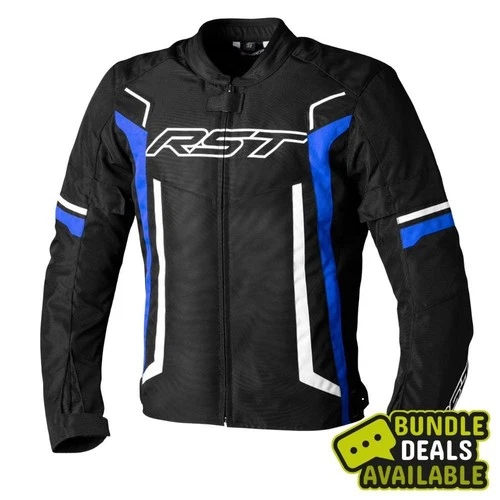
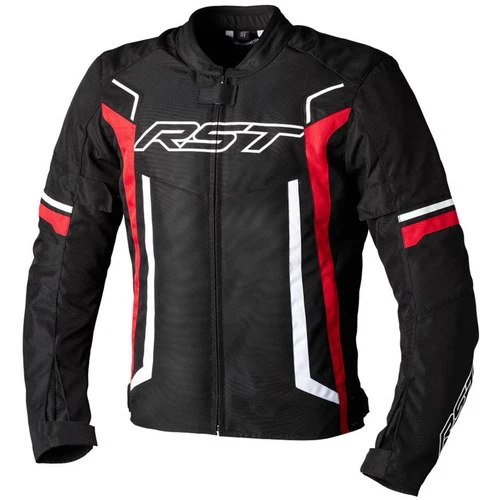
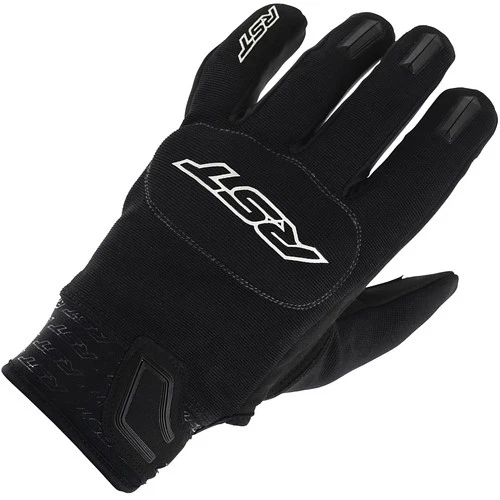
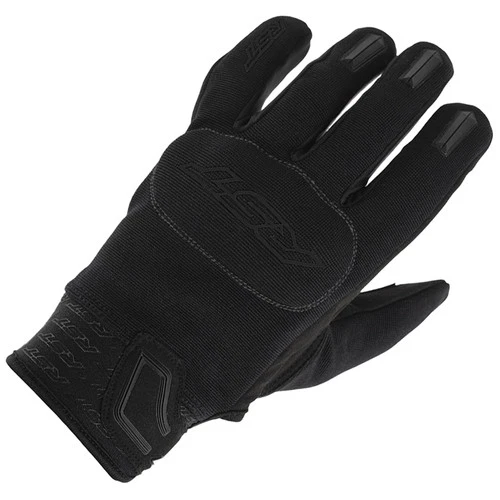
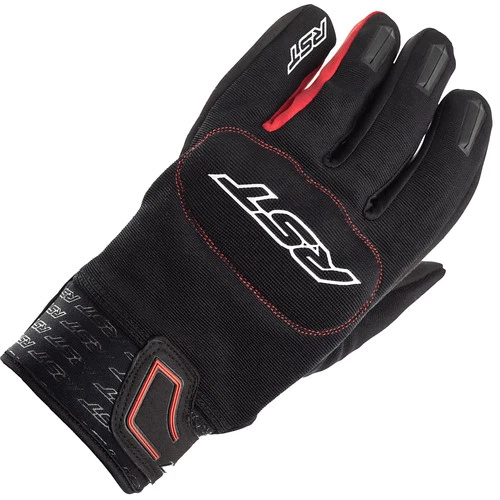
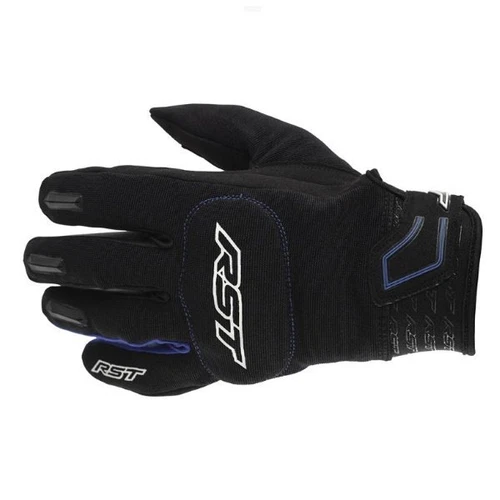
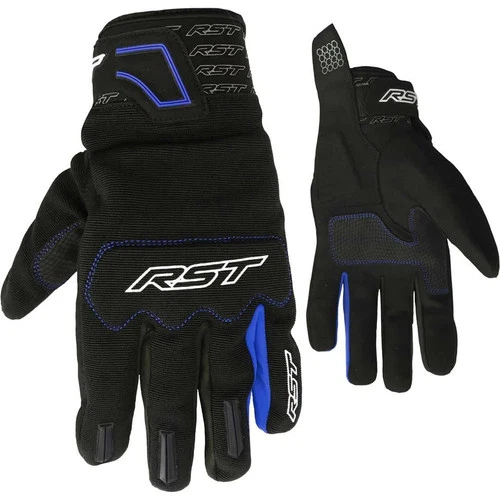
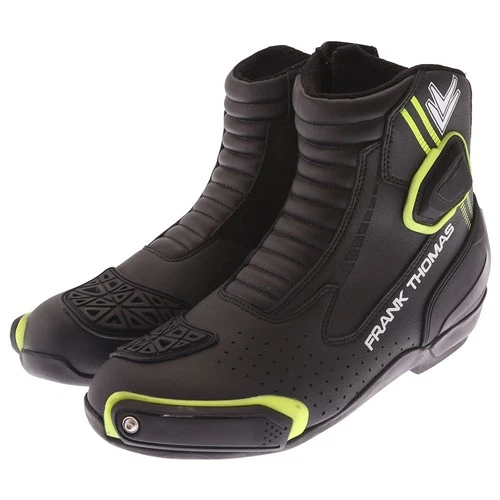
If you are stepping up, the pieces worth looking at again are a jacket whose armour stays where it should rather than sliding round your arm, gloves that will not come off, and boots that support the ankle. The time to be honest about a first set is now, rather than at the point where you find out.
- Ask your school what they lend for direct access. Plenty lend a helmet and jacket for a CBT and expect more of a direct access rider.
- A helmet that actually fits you is worth owning before you spend whole days inside one.
- Take waterproofs. Module 2 goes ahead in the rain.




What could change
DVSA consulted on changes to moped and motorcycle training, testing and licensing between 7 January and 11 May 2026. At the time of writing that page still says they are analysing the feedback, so none of it is law and anything describing these as current rules is wrong.
Seven changes were on the table, among them restricting learner riders to automatic machines if they take their CBT on one, a theory test before or as part of CBT, an updated CBT syllabus, a change to how long CBT certificates stay valid, and a change to the way instructors qualify.
One of the seven lands squarely on this article. DVSA asked whether to introduce a progressive access training course for riders upgrading their licence. As things stand, progressive access is a test with no compulsory training attached, which is exactly why a rider with a two year old A2 can book a practical and be done. If that proposal becomes law, the cheapest route on this page acquires a course fee.
Frequently asked questions
What is the Direct Access Scheme?
It is the scheme that lets you train and take your test on a motorcycle bigger than your provisional licence would let you ride, so you can go straight to a full unrestricted licence without working up through the smaller categories. It is not a licence in itself. What you hold at the end is category A, the same as anyone else. DVSA authorises individual instructors to deliver it, and caps the ratio at two learners to one instructor while a direct access trainee is out.
Do I need a CBT before direct access?
Usually yes, and there is one exception worth knowing. Taking direct access at 24 or over, gov.uk lists the route as CBT, theory and practical, so you need a valid CBT certificate first. The exception is progressive access: if you are 21 or over and have held a full A2 licence for at least two years, DVLA's own flowchart takes you straight to the practical test, past both the CBT and the theory. The overview page's line about all riders sitting a theory test does not describe that route.
How old do you have to be for direct access?
24 for direct access to a full unrestricted category A licence, and 19 for direct access to A2, which caps you at 35kW. The only way to hold category A before 24 is progressive access at 21, and that needs a full A2 licence you have already held for two years. There is no discretion in any of it.
Can I get a full motorcycle licence at 21?
Only through progressive access, and only if you planned ahead. You need a full A2 licence held for at least two years, so the clock starts on your A2 pass date rather than your birthday. Pass A2 at 19 and category A opens at 21. Pass it at 20 and you are waiting until 22, which is close enough to 24 that going direct may be simpler. That route also carries a deadline the ordinary one does not: you must pass module 2 within six months of module 1, or sit module 1 again.
How long does direct access take?
DVSA does not set a course length, so any number you see is a school's own package rather than a rule. What is fixed are the deadlines around it: a CBT certificate lasts two years, a theory test certificate lasts two years and both practical modules must fall inside it, and a failed module 1 cannot be retaken for three working days while a failed module 2 costs you ten. Test availability in your area will shape the timeline more than the training does.
How much does direct access cost?
DVSA sets three fees: the theory test at £23, module 1 at £15.50, and module 2 at £75 on a weekday or £88.50 evenings, weekends and bank holidays. Those were the published figures in August 2026. Everything else, meaning the CBT, the direct access course itself and the use of the school's bike, is priced by the school, because gov.uk states that course prices are set by training schools. That is why no honest guide gives you a total. Ring three schools and compare what is included. Budget for a retest too, since failing means paying the full fee again.
What catches people out on module 1?
Speed, mostly. The emergency stop and the hazard avoidance both require a minimum of 31 mph on a motorcycle, and going into them under that is a common way to lose a run that was otherwise fine. Beyond that it is a tight test with a tight margin: no serious or dangerous faults and no more than five riding faults, against ten on module 2. The slow ride and the U turn punish anyone who has only ridden a light bike, which is worth practising on something with the weight of a test machine rather than on a 125.
When you know what you want, MotoMiser compares live prices on the same gear across UK retailers, so you can see who has the best deal before you spend.
More from the Blog
- Your CBT: The Rules, The Kit, and What Gets People Turned Away →
- Arai Quantic vs RX-7V Evo: Which Flagship Should You Buy? →
- AGV K1 vs K3: AGV's Entry-Level Helmets Explained →
- AGV K5 vs K6 vs K7: How AGV's Top Road Helmet Evolved →
- Men's Motorcycle Riding Gear: What You Actually Need →
- Women's Motorcycle Gear: Fit Is a Safety Issue →
- Kids' Motorcycle Gear: Don't Buy Big to Grow Into →
- Motorcycle gear buying guides →